
Website Design for Wellness Professionals: What You Need to Know
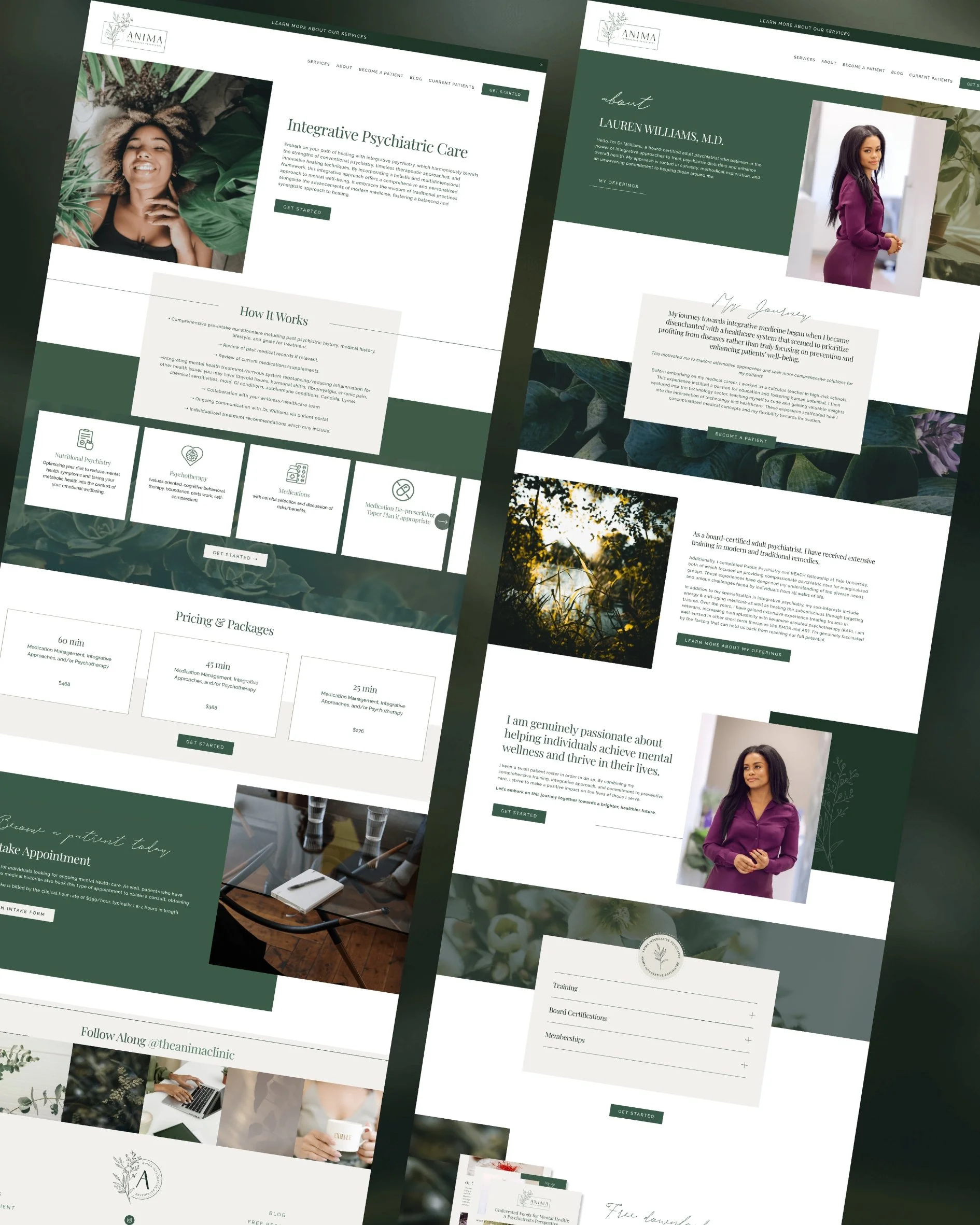
If you're a wellness professional: a nutritionist, health coach, therapist, breathwork facilitator, or integrative practitioner of any kind, your website is doing one of two things: it's either building trust and bringing in clients, or it's quietly costing you both.
The good news? Wellness website design doesn't have to be complicated. It just has to be intentional.
After working with dozens of wellness professionals on their brands and websites, I've seen what works and what doesn't. This post breaks down exactly what your health and wellness website needs to attract the right clients, communicate your expertise, and support your practice as it grows.
Whether you're building your first website or thinking about a redesign, this is the guide I wish every wellness professional had before they started.
Wellness Website Design is Different
Wellness is a deeply personal industry. People aren't just choosing a service, they're choosing someone to trust with their health, their body, and often their most vulnerable struggles. That means your website has a higher bar to clear than most.
It's not enough to look beautiful (though that matters too).
Your wellness website needs to:
Communicate clearly what you do and who you help, within seconds of someone landing on your page
Build trust immediately, through your credentials, your story, your client results, and the way you present yourself
Speak directly to the person you're meant to serve, using the language they use to describe their own struggles
Make it easy to take the next step, whether that's booking a consultation, joining your email list, or learning more about your method
A generic website template won't do this. A pretty website without strategy won't do this. Health and wellness website design requires thinking about your ideal client first, and building everything else around them.
The 6 Things Every Wellness Website Needs
1. A Homepage That Speaks to Your Ideal Client, Not to You
This is the most common mistake I see on wellness websites. The homepage opens with the practitioner's name, a beautiful photo, and a headline that says something like 'Holistic Healing for a Better You.'
The problem? It's vague. And your ideal client, who is probably dealing with a specific issue — chronic fatigue, gut problems, anxiety, hormonal imbalance — doesn't immediately see themselves in it.
Your homepage headline should answer three questions instantly: what you do, who you help, and what changes for them when they work with you.
Example: 'Helping women with chronic digestive issues finally get to the root cause, so they can feel good in their body again.'
That's specific. That's a person. That's someone who will stop scrolling.
Think of your homepage as a conversation with your ideal client, not a brochure about your business.
If you're not sure whether your Home Page is creating a strong first impression, download my free Website Audit Guide, it walks you through the framework for attracting, connecting, and converting your ideal client.
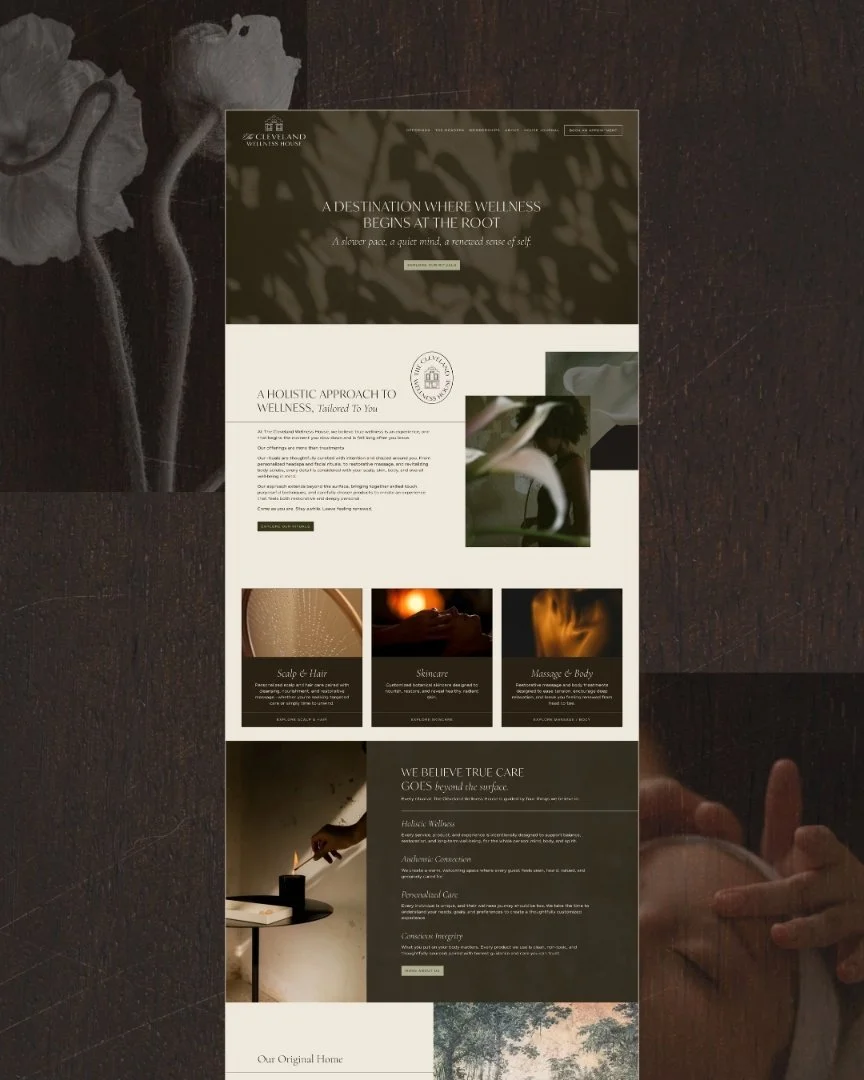
2. Clear, Credibility-Building Copy Throughout
Wellness is a space where trust is everything, and trust is built through words as much as visuals. Your website copy needs to:
Clearly explain your credentials and training (people want to know you're qualified)
Describe your method or approach in plain language, not industry jargon
Use the language your clients actually use to describe their problems (not clinical terms)
Tell your story in a way that creates connection, why you do this work matters
If someone reads your About page and thinks 'she gets it' or 'this is exactly what I've been looking for'… that's copy doing its job.
3. A Services Page That Sells Without Feeling Salesy
Your services page is one of the most important pages on your wellness website, and one of the most often neglected. A strong services page doesn't just list what you offer. It walks your ideal client through why they need it, what they can expect, and what becomes possible when they say yes.
For each service, make sure you're covering:
Who it's for, be specific about who this is the right fit for
What's included, clearly and simply
What the transformation looks like, speak to the outcome, not just the process
How to get started, a clear, simple next step
4. Social Proof That Does the Work for You
In the wellness space, client results and testimonials carry enormous weight. People are making vulnerable, personal decisions and they want to know your work is real and your results are too.
Your wellness website should include:
Client testimonials, ideally specific ones that describe a transformation, not just 'she's great!'
Before/after stories where appropriate and with client permission
Press features, podcast appearances, or media mentions if you have them
Credentials, certifications, and training, listed clearly, not buried
Social proof isn't bragging. It's giving potential clients the confidence they need to reach out.
5. SEO Built Into Your Website From the Start
This is where most wellness websites fall short, and it's one of the most valuable things you can do for your practice long-term.
Search engine optimization (SEO) means your website shows up when your ideal client types something into Google. For wellness professionals, this might look like:
'functional nutritionist near me'
'holistic health coach for anxiety'
'breathwork facilitator online'
'integrative therapist Long Island'
If your website copy doesn't naturally include the specific words and phrases your ideal clients are searching, Google has no way to connect you with them. SEO for wellness websites starts with using the right language in your headings, your page titles, your image descriptions, and your copy.
When I build wellness websites, I weave SEO strategy into the copy from the very beginning, so your site is built to be found, not just built to look good.
6. A System That Works Behind the Scenes
The best wellness websites don't just look great, they work. That means having systems in place that support your practice without requiring your constant attention.
Depending on your business model, this might include:
An email opt-in to grow your list (a free resource, a guide, a mini course)
An automated welcome sequence that nurtures new subscribers
A simple booking system or inquiry form that qualifies leads before they reach you
Clear pathways that guide visitors from 'just browsing' to 'ready to book'
Your website should be doing work while you're with clients, not just sitting there waiting to be found.
Common Wellness Website Mistakes to Avoid
Even well-intentioned wellness websites make these mistakes. Here's what to watch out for:
Overwhelming visitors with every service, every credential, and every philosophy before they've decided if they trust you. Simplify. Guide. One clear next step.
Wellness is personal. Generic stock imagery creates distance. Use real photos of yourself, your space, or carefully chosen imagery that feels true to your brand.
What do you want visitors to do? If your website doesn't make that obvious (book a call, download your guide, reach out, etc.) most people will leave without doing anything.
If you're a credentialed, experienced practitioner charging premium rates, your website needs to reflect that. A DIY logo and a free template send the wrong signal to the wrong people.
A wellness blog is one of the most powerful SEO tools you have. Regular, keyword-rich content keeps your site active and helps you rank for the specific topics your ideal clients are searching for.
Want to see exactly what a high-converting wellness website should include, page by page?
The free Service-Business Website Blueprint was built for service businesses like yours. Download it for free and use it as a checklist for your own site.
What Great Health and Wellness Website Design Looks Like
The best wellness websites have a few things in common regardless of their aesthetic:
The design itself communicates safety, through color, typography, spacing, and imagery.
Visitors can find what they're looking for without thinking about it. The path from 'interested' to 'ready to book' is clear.
The copy has a voice. It feels personal, specific, and real, not like it was written by a committee.
The majority of your visitors are on their phones. Your wellness website needs to look and function beautifully on every device.
SEO is baked into the structure, the copy, and the content strategy from the beginning.
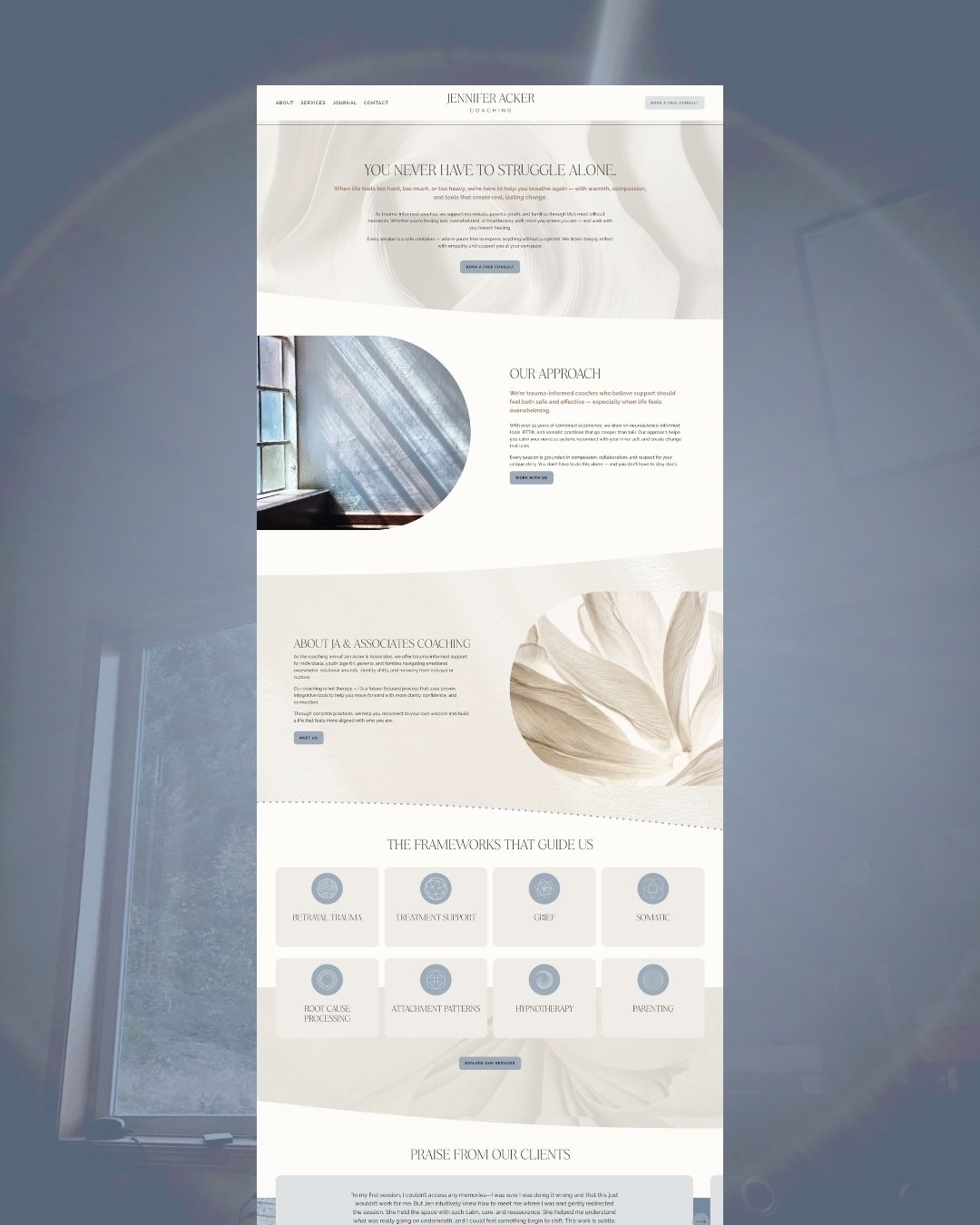
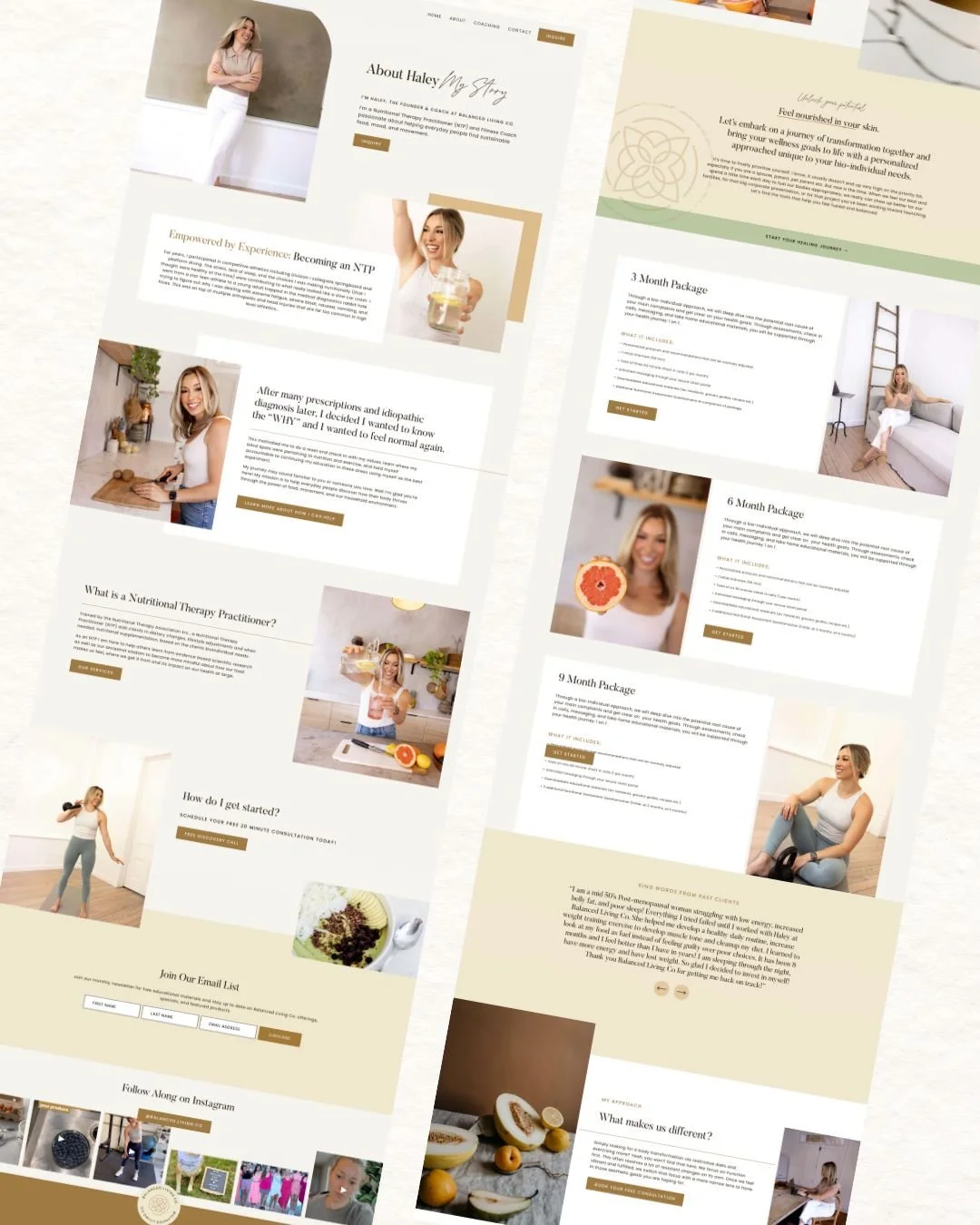
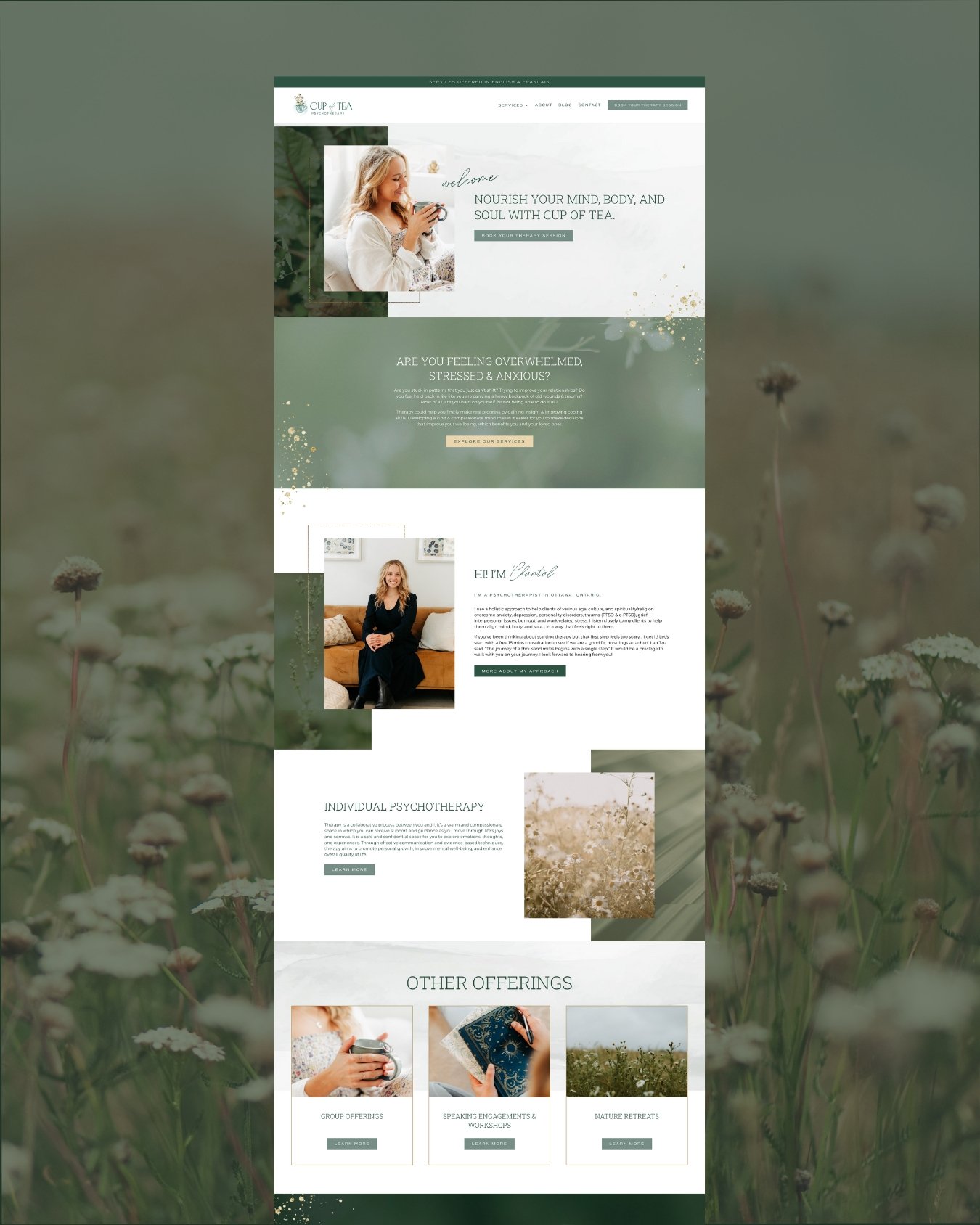
Beautiful design and smart strategy aren't mutually exclusive. The best wellness websites are both, and that's the standard every practitioner deserves.
When to Hire a Wellness Website Designer
You don't need a professional wellness website designer at every stage of your business. But there are clear signs it's time to invest:
You're embarrassed to send people to your website
Your website doesn't reflect the level of expertise you've built
You're getting traffic but not inquiries, something isn't converting
You've outgrown your DIY setup and it's taking too much of your time to maintain
You're raising your rates and your brand needs to catch up
You want to attract a more specific, higher-quality client, and your current site isn't doing that
When any of these feel true, it's usually not just a website problem, it's a brand and strategy problem. Which is exactly where a strategic design partner comes in.

Ready to Build a Wellness Website That Actually Works for You?
At Jaks Digital, we specialize in brand and website design for wellness professionals, creating cohesive, strategic digital experiences that reflect your expertise, speak to your ideal clients, and support your practice as it grows.
We've worked with nutritionists, health coaches, therapists, breathwork facilitators, energy healers, and integrative wellness practitioners, and we understand the unique trust-building that wellness website design requires.
If you're ready to have a website you're proud to share, one that gets found on Google, communicates your value clearly, and converts visitors into clients, we'd love to connect.
Discovery calls are free, low-key, and a good first step for any wellness professional ready to level up their online presence.
Not ready to book yet? Start with my free Website Audit Checklist it helps you identify exactly what's working and what's holding your website back.
